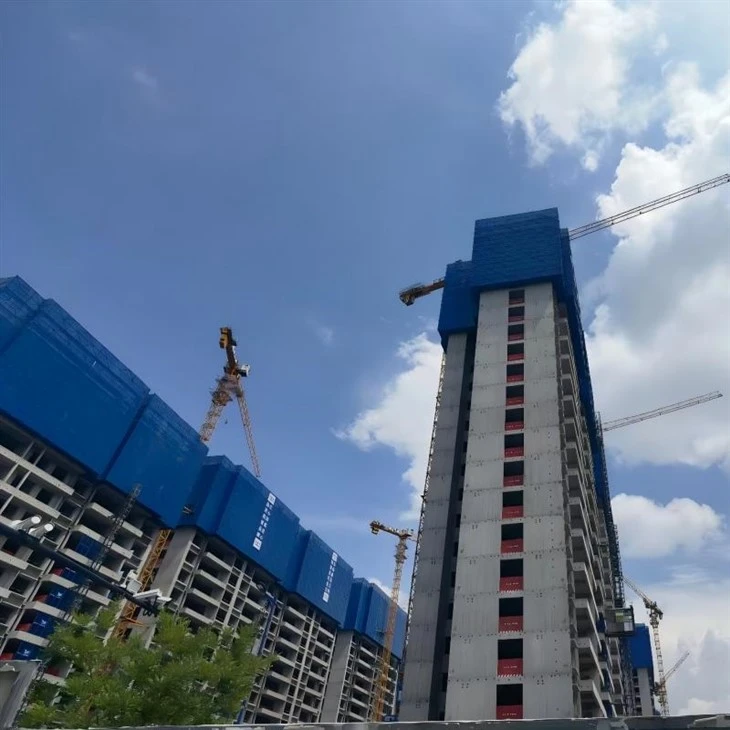
A lifting scaffolding frame system is a framework that can be raised or lowered as a unit, giving crews a safe, stable working platform at varying heights. On high-rise construction, maintenance, and facade work, it replaces repeatedly rebuilding fixed scaffold from the ground up. As a supplier of these systems, we will cover what they are, the common types, and what separates a good system from a bad one.
How the system works
The core idea is simple: instead of tearing down and re-erecting scaffold every time the work level moves, the platform itself moves-crane-lifted, climbing, or rolling on mast or frame guides depending on the type. The structure stays a rigid, tied frame the whole time, so workers get the same guarded, load-rated platform at every level.
That is why these systems appear across both new construction and maintenance. On a high-rise under construction, crews need safe access to each new level as the building grows. On facade repair, curtain wall replacement, or painting and waterproofing work, the platform needs to travel up and down an existing building repeatedly. In both cases the lifting scaffolding frame system provides the stable working deck at height, together with its guardrails and access points, without rebuilding the support structure from scratch at each stage.
Common types
Ring-lock Scaffolding
Ring-lock Scaffolding uses a ring-lock joint: horizontal and diagonal tubes drop into rosettes on the vertical standards and lock with a wedge pin. Assembly is quick, and the Ring-lock Scaffolding System adapts its height and configuration to the project-small renovation or full-scale construction. Its node strength and flexibility are why it is one of the most widely used systems today.
Cup-lock Scaffolding System
The Cup-lock Scaffolding System locks tubes with a cup-shaped mechanism-a top cup rotated over the ledgers and dropped to secure every connection at the node. Assembly is straightforward, and the system carries high loads, which suits heavy-duty work where equipment and materials ride the platform.
Climbing Scaffolding System
A Climbing Scaffolding System advances with the building instead of being rebuilt. As construction progresses, the platform climbs to the next level-no constant disassembly and reassembly. On tall buildings this saves significant time and removes the fall risk that comes with repeated teardown and setup cycles.
Kwikstage Scaffolding System
Kwikstage Scaffolding System is built for speed: a simple, fast-locking wedge mechanism makes assembly and disassembly rapid. It is common on urgent repair work and short-term projects where program time is the constraint.
What makes a good system
Safety hardware. Guardrails, non-slip platform surfaces, and reliable locking mechanisms are not optional. Guardrails stop accidental step-offs at the platform edge; non-slip deck matters most when the surface is wet from rain or work liquids.
Structural durability. The system lives outdoors: rain, wind, sun, and impacts from tools and equipment. Steel construction with proper protective coating carries these conditions and holds its load rating over a long service life.
Installability. A well-designed system can be erected by crews of mixed experience levels, with clear instructions and, ideally, training materials or site support. Correct assembly is the foundation of both safety and performance-complexity in the field is where errors come from.
Cost over the project, not per piece. The purchase price is only part of the math. A system that erects quickly cuts labor hours on every setup, and a durable system does not get replaced mid-project. Over a full program, the faster and tougher system usually costs less.
Choosing a system
Match the type to the work: ring-lock for flexibility across configurations, cup-lock for heavy loads, climbing systems for tall structures, kwikstage for speed on short-duration jobs. Beyond type, check the safety features, the material and coating, and what support the supplier provides after delivery.
If you want to discuss a specific project, reach out with the details-heights, loads, and schedule-and we can recommend the right configuration and provide a quote.