

Installing formwork props on a sloped surface can be a tricky task, but with the right know - how and the right products, you can get the job done safely and efficiently. As a formwork prop supplier, I've seen firsthand the challenges that contractors face when working on slopes. In this blog, I'll share some tips on how to install formwork props on a sloped surface.
Understanding the Challenges of Sloped Surfaces
First off, let's talk about why sloped surfaces are more difficult than flat ones. On a flat surface, formwork props are relatively easy to set up. They can be placed vertically, and the load is evenly distributed. But on a slope, things get a bit more complicated. The weight of the formwork and the concrete is no longer evenly distributed, which means the props need to be adjusted to handle the uneven load. Also, there's a higher risk of the props slipping or tipping over.
Planning the Installation
Before you even start installing the formwork props, you need to do some planning. This includes:
1. Site Inspection
Take a good look at the slope. Measure its angle, check the ground conditions, and identify any potential hazards. You need to know if the ground is stable or if there are any soft spots that could cause the props to sink.
2. Load Calculation
Calculate the load that the formwork props will need to support. This includes the weight of the formwork, the wet concrete, and any additional loads like workers or equipment. You can use some online calculators or consult an engineer for more accurate calculations.
3. Prop Selection
Based on the load calculation and the slope angle, select the right formwork props. Make sure they have the right capacity to support the load and are suitable for use on a slope.
Preparing the Ground
Once you've done the planning, it's time to prepare the ground. This is crucial for ensuring the stability of the formwork props.
1. Leveling
If possible, try to level the area where the props will be placed. You can use a grader or a shovel to remove any high spots or fill in low spots. This will help the props to stand more securely.
2. Ground Protection
Use ground protection pads or plates under the base of the props. These will distribute the load over a larger area and prevent the props from sinking into the ground. You can find high - quality ground protection products at our store.
Installing the Formwork Props
Now, let's get to the actual installation process.
1. Setting the Base
Start by placing the base of the formwork props on the prepared ground. Make sure they are positioned at the right locations according to your plan. You can use a string line or a laser level to ensure the accuracy of the placement.
2. Adjusting the Angle
On a sloped surface, the props need to be adjusted to the correct angle. Most formwork props have adjustable features that allow you to set the angle. Use a protractor or an angle - measuring tool to make sure the props are at the right angle to support the formwork.
3. Connecting the Props
Once the props are in place, connect them together using appropriate connectors. This will increase the stability of the entire formwork system. You can check out our Wall Formwork Stripper and Formwork Tie Rod for reliable connection options.
4. Bracing
Install bracing to further stabilize the formwork props. Bracing can be horizontal or diagonal, depending on the slope and the load requirements. Make sure the bracing is properly attached to the props and the ground.
Safety Considerations
Safety should always be your top priority when installing formwork props on a sloped surface.
1. Personal Protective Equipment (PPE)
Wear appropriate PPE, such as hard hats, safety glasses, and work boots. If you're working at height, use a safety harness.
2. Regular Inspections
Regularly inspect the formwork props and the entire system during the installation process and while the concrete is being poured. Look for any signs of damage, movement, or instability.
3. Weather Conditions
Avoid installing formwork props in bad weather conditions, such as heavy rain or strong winds. These conditions can make the slope more unstable and increase the risk of accidents.
Using Quality Accessories
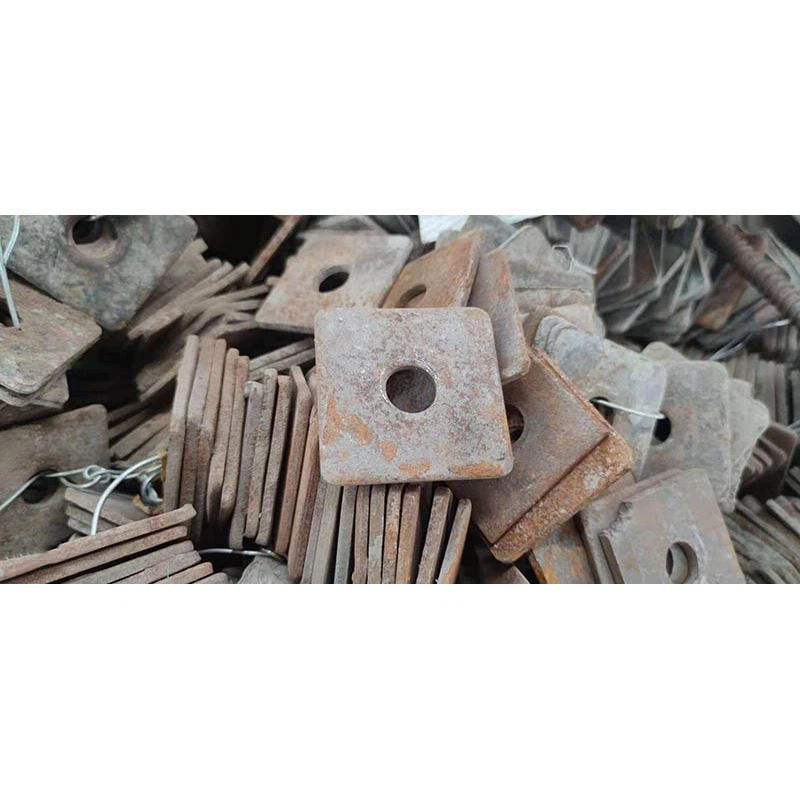
To ensure the best performance of your formwork props on a sloped surface, using quality accessories is essential. For example, Formwork Steel Washer can be used to enhance the connection between the props and other components. These washers can distribute the load evenly and prevent damage to the formwork.
Conclusion
Installing formwork props on a sloped surface is a challenging but achievable task. By following the steps above, doing proper planning, and using high - quality products, you can ensure a successful installation.

If you're in the market for formwork props or related accessories, we're here to help. We offer a wide range of products that are suitable for various applications, including sloped surfaces. Whether you need advice on product selection or have questions about installation, feel free to get in touch with us for a friendly chat and to discuss your procurement needs.
References
- Construction Safety Manual, Industry Standards Publication
- Formwork Design and Installation Guide, Professional Contractors Association