

Hey there! I'm a supplier of bridge steel formwork. Today, I'm gonna walk you through the installation steps of large - scale bridge steel formwork. It's a pretty involved process, but with the right know - how, it can go smoothly.
Pre - installation Preparations
Before we even start putting up the formwork, there are a bunch of things we need to take care of. First off, we gotta do a thorough inspection of the site. The ground where the formwork will be installed needs to be level and stable. Any unevenness or soft spots can cause major problems down the line. We use surveying equipment to check the elevation and make sure everything is within the required tolerances.
Next, we need to get all the materials and tools ready. The steel formwork sections, of course, along with all the necessary connectors, fasteners, and support structures. We also need equipment like cranes for lifting the heavy formwork pieces into place. Safety gear is also super important. Hard hats, safety glasses, and steel - toe boots are a must for everyone on the site.
Assembling the Base and Support Structure
Now, let's start building the base and support structure. This is like the foundation of our formwork. We usually start with laying out the footings. These provide a stable base for the rest of the formwork structure. Once the footings are in place, we start assembling the support columns or frames. The type of support structure depends on the size and design of the bridge.
For larger bridges, we might use a combination of steel beams and columns that are bolted or welded together. The joints between these components need to be strong and secure. We use high - quality bolts and nuts and make sure they are tightened to the correct torque. This helps to prevent any movement or shifting of the formwork during the concrete pouring process.
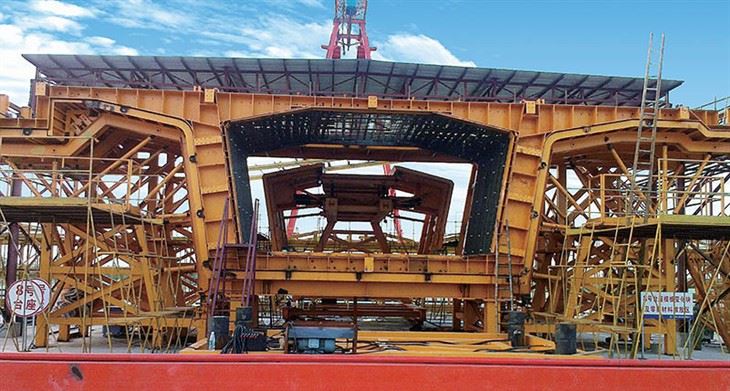

Installing the Abutment Formwork
Once the base and support structure are set up, we can start installing the Abutment Formwork. Abutment formwork is really important as it forms the end supports of the bridge.
We first position the formwork sections at the abutment location. This is a precise job, as any misalignment can affect the overall alignment of the bridge. We use measuring tools to ensure that the formwork is in the correct position vertically and horizontally. After positioning, we connect the formwork sections using the appropriate connectors. These connectors need to be tightened properly to create a watertight and stable structure.
We also need to install any reinforcement bars inside the abutment formwork before pouring the concrete. The reinforcement helps to strengthen the abutment and make it more resistant to the forces it will be subjected to.
Capping Beam Formwork Installation
After the abutment formwork is in place, we move on to the Capping Beam Formwork. The capping beam sits on top of the abutments and supports the bridge deck.
We start by installing the support brackets for the capping beam formwork on the abutments. These brackets need to be firmly attached to ensure the stability of the formwork. Once the brackets are in place, we lift the formwork sections into position using a crane.
Just like with the abutment formwork, we need to ensure proper alignment. We use plumb bobs and laser levels to check the vertical and horizontal alignment. After the formwork sections are in place, we connect them and install any additional supports or bracing as required.
Box Girder Formwork Installation
One of the most crucial parts of large - scale bridge construction is the installation of Box Girder formwork. Box girders are used to support the bridge deck and carry the loads.
We usually assemble the box girder formwork in sections on the ground first. This makes it easier to handle and install. Once the sections are assembled, we use a crane to lift them into place and position them on the support structure.
Alignment is key here. Any misalignment can cause stress concentrations in the box girders, which can lead to structural problems in the long run. We use advanced measuring systems to ensure that the box girder formwork is perfectly aligned.
After positioning, we connect the box girder formwork sections together. The connections need to be strong and reliable to withstand the pressure of the concrete when it's poured. We also install the internal formwork for the box girders, which helps to create the hollow space inside.
Checking and Securing
After all the formwork is installed, we need to do a final check. We examine all the connections, supports, and alignments to make sure everything is in order. Any loose connections need to be tightened, and any misalignments need to be corrected.
We also need to secure the formwork to prevent any movement during the concrete pouring process. We use additional bracing and tie - downs if necessary. This ensures that the formwork maintains its shape and position while the concrete sets.
Concrete Pouring and Formwork Removal
Once everything is checked and secured, we're ready to pour the concrete. This process needs to be done carefully to ensure a high - quality finish. We usually pour the concrete in layers, and we use vibration equipment to ensure proper compaction.
After the concrete has set and reached the required strength, we can remove the formwork. The timing of formwork removal is important. If we remove it too early, the concrete might not have gained enough strength, which can lead to damage. If we remove it too late, it can be more difficult to remove.
In Conclusion
Installing large - scale bridge steel formwork is a complex process that requires careful planning, precision, and the right equipment. From the pre - installation preparations to the final formwork removal, every step is crucial for the success of the bridge construction project.
If you're in the market for high - quality bridge steel formwork, we're here to help. We have a wide range of products and years of experience in the industry. Whether you need abutment formwork, capping beam formwork, or box girder formwork, we've got you covered. Reach out to us for a detailed discussion about your project requirements. We're eager to work with you to make your bridge construction project a success.
References
- Bridge Construction Handbook, various authors
- Steel Formwork Design and Installation Guidelines, industry standards