

Hey there! As a supplier of formwork tie rods, I've seen firsthand how crucial these little guys are in bridge formwork. So, let's dive into how formwork tie rods are used in bridge formwork.
What Are Formwork Tie Rods?
Before we get into the nitty - gritty of their use in bridge formwork, let's quickly go over what formwork tie rods are. Formwork tie rods are basically long, threaded rods used to hold two opposite sides of formwork together. They're made of high - strength steel and come in various lengths and diameters to suit different construction needs.

Preparing for Bridge Formwork Installation
When starting a bridge formwork project, the first step is to plan everything out. The engineers and construction crew need to figure out the right size and number of formwork tie rods required. This depends on factors like the size of the bridge, the concrete pressure during pouring, and the type of formwork being used.
Once the planning is done, it's time to set up the formwork. The formwork panels are placed on both sides of where the bridge structure will be. This is where our formwork tie rods come into play. We need to drill holes in the formwork panels at the pre - determined locations for the tie rods. These holes should be the right size to allow the tie rods to pass through smoothly.
Inserting the Formwork Tie Rods
After the holes are drilled, we insert the formwork tie rods through the holes on one side of the formwork, pass them across the space where the concrete will be poured, and then through the holes on the opposite side of the formwork. It's like threading a needle, but on a much larger scale!
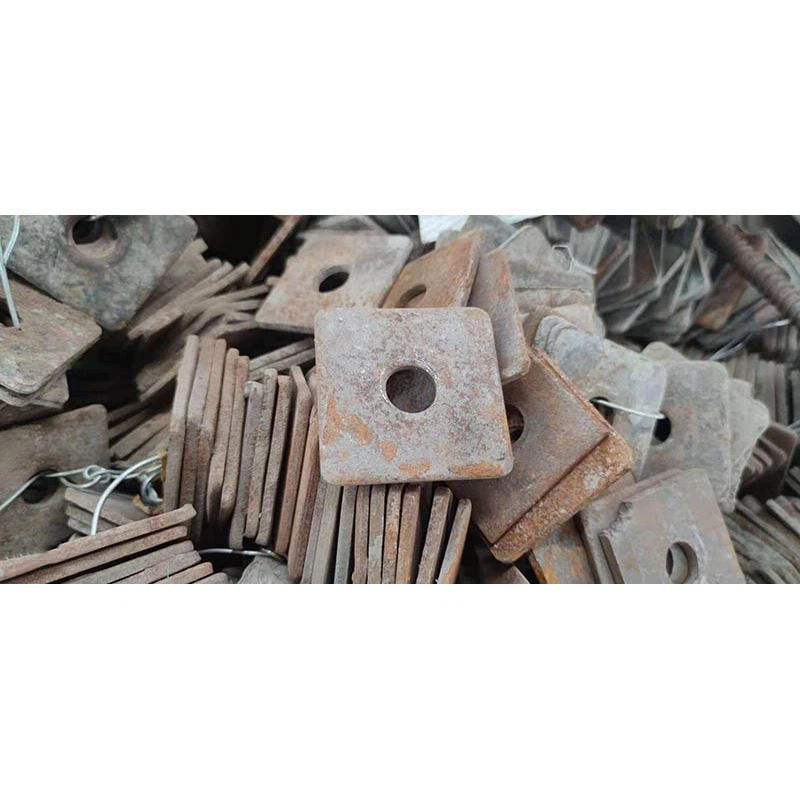
To ensure the tie rods are secure, we use various accessories. For example, Formwork Steel Washer are placed on both ends of the tie rod, right against the formwork panels. These washers help distribute the load evenly and prevent the tie rod from pulling through the formwork.
Tightening and Adjusting
Once the tie rods are in place with the washers, we use nuts to tighten them. The nuts are threaded onto the ends of the tie rods and tightened using tools like wrenches. We need to make sure the tie rods are tightened evenly on both sides to keep the formwork panels parallel and prevent any deformation during concrete pouring.
Sometimes, during the construction process, we may need to make adjustments to the tie rods. For instance, if we notice that the formwork is starting to bulge or shift, we can loosen or tighten the tie rods as needed. This is where the flexibility of formwork tie rods really shines.
Handling Different Bridge Sections
Bridges aren't just straight, simple structures. They can have different sections like piers, abutments, and the main deck. Each section has its own requirements when it comes to formwork tie rod use.
For bridge piers, which are vertical structures, the tie rods need to be able to withstand the lateral pressure of the concrete as it's poured. We often use shorter tie rods in a grid - like pattern to provide strong support. The K Plate Bolt and Nuts can be used in combination with the tie rods to add extra stability to the formwork around the piers.
When it comes to the bridge deck, which is a horizontal structure, the tie rods help keep the formwork flat and at the correct elevation. We may use longer tie rods and space them out according to the design requirements. This ensures that the deck will have a smooth and even surface once the concrete sets.
Removing the Formwork
Once the concrete has cured and reached the required strength, it's time to remove the formwork. This is where the Wall Formwork Stripper can be very useful. First, we loosen the nuts on the tie rods and remove the washers. Then, we carefully pull out the tie rods from the formwork.
The removed formwork tie rods can often be reused in other projects after a bit of cleaning and inspection. This makes them a cost - effective solution for bridge construction.
Quality Control
Throughout the entire process of using formwork tie rods in bridge formwork, quality control is super important. We need to regularly check the tie rods for any signs of damage, such as cracks or excessive wear. The nuts and washers also need to be inspected to make sure they're in good condition.
We also need to follow the industry standards and guidelines for using formwork tie rods. This ensures the safety and integrity of the bridge structure. For example, the tightening torque of the nuts should be within the specified range to prevent over - or under - tightening.
Advantages of Using Our Formwork Tie Rods
As a supplier, I can tell you that our formwork tie rods have several advantages. Firstly, they're made of high - quality steel, which means they're strong and durable. They can handle the high pressures and loads associated with bridge construction.
Secondly, our tie rods are precisely manufactured. The threading is accurate, which makes it easy to install and remove the nuts. This saves time and effort during the construction process.
Lastly, we offer a wide range of sizes and lengths of formwork tie rods. This means that no matter what the specific requirements of your bridge formwork project are, we can provide the right tie rods for you.
Conclusion
In conclusion, formwork tie rods play a vital role in bridge formwork. From setting up the formwork to removing it after the concrete has cured, these rods are essential for ensuring the stability and accuracy of the bridge structure.
If you're working on a bridge formwork project or any other construction project that requires formwork tie rods, I'd love to hear from you. We can discuss your specific needs and provide you with the best solutions. Whether it's the right size of tie rods, the appropriate accessories, or advice on installation, we're here to help. So, don't hesitate to reach out and start a conversation with us about your formwork tie rod requirements.
References
- Construction Industry Institute. (2018). Best Practices for Formwork in Bridge Construction.
- American Concrete Institute. (2020). Guide for Formwork for Concrete.