

Industrial environments demand robust cleaning solutions capable of handling heavy debris, fine dust, and high-frequency usage. The formwork dust shovel, originally designed for concrete construction cleanup, has emerged as a versatile tool across various industrial sectors. This article examines its applicability, key advantages, and specific use cases in factories, warehouses, construction sites, and mining operations.
1. Definition and Core Design Features
A formwork dust shovel is a purpose-built implement for removing residual dust, sand, gravel, and small debris from formwork surfaces-temporary molds used in concrete placement. Manufactured from high-durability polymers or reinforced metals, these shovels are available in multiple geometries (flat, angled, narrow-edge) to accommodate different clearance requirements and surface contours.
Key design attributes include:
- Abrasion-resistant blades for extended service life
- Ergonomic handles to reduce operator fatigue during repetitive sweeping
- Non-sparking variants for volatile atmospheres (select models)

2. Suitability for Industrial Environments
Industrial settings-defined as large-scale operations involving heavy machinery, continuous production cycles, and significant particulate generation-present unique cleaning challenges. These include factories, distribution centers, mine sites, and active construction zones. The formwork dust shovel demonstrates strong suitability for such environments based on the following criteria:
2.1 Versatility in Material Handling
The tool effectively manages a broad spectrum of loose materials: cement dust, foundry sand, metal shavings, aggregate spillage, and general workshop debris. This adaptability reduces the need for multiple specialized cleaning implements.
2.2 Structural Durability
Industrial conditions impose mechanical stress, chemical exposure, and temperature fluctuations. High-grade formwork dust shovels incorporate impact-resistant composites or galvanized steel construction, ensuring resistance to deformation, corrosion, and edge chipping under sustained heavy use.
2.3 Operational Simplicity
The intuitive design requires no specialized training or power supply. Workers at any experience level can deploy the tool immediately, minimizing downtime associated with equipment setup or operator certification.
2.4 Cost-Efficiency
Compared with powered industrial vacuums or automated sweeping systems, formwork dust shovels represent a low-capital, minimal-maintenance alternative. Their extended lifespan translates to lower total cost of ownership over multi-year procurement cycles.
2.5 Occupational Safety Contribution
Accumulated dust and debris create slip hazards, combustive risks, and respiratory exposure. Routine manual cleaning with a formwork dust shovel supports housekeeping protocols, directly contributing to reduced incident rates and improved compliance with occupational health standards.
3. Specific Industrial Applications
| Industry Sector | Primary Applications |
|---|---|
| Construction Sites | Post-concrete-pour cleanup; removing residue from formwork panels, beam bottoms, and column molds before re-use or dismantling. |
| Manufacturing Plants | Clearing conveyor belt spillage; extracting debris from hopper outlets, press beds, and assembly line workstations. |
| Warehouses & Logistics Centers | Sweeping floor spills; maintaining aisle cleanliness; removing packaging fragments and settled dust from racking areas. |
| Mining Operations |
Cleanup around crushers, conveyors, and shuttle cars; removing accumulations from tunnel floors and ventilation intake areas. |
4. Integration with Formwork Accessory Systems
In construction-related industrial applications, the formwork dust shovel is often used alongside complementary components to optimize overall formwork lifecycle management:
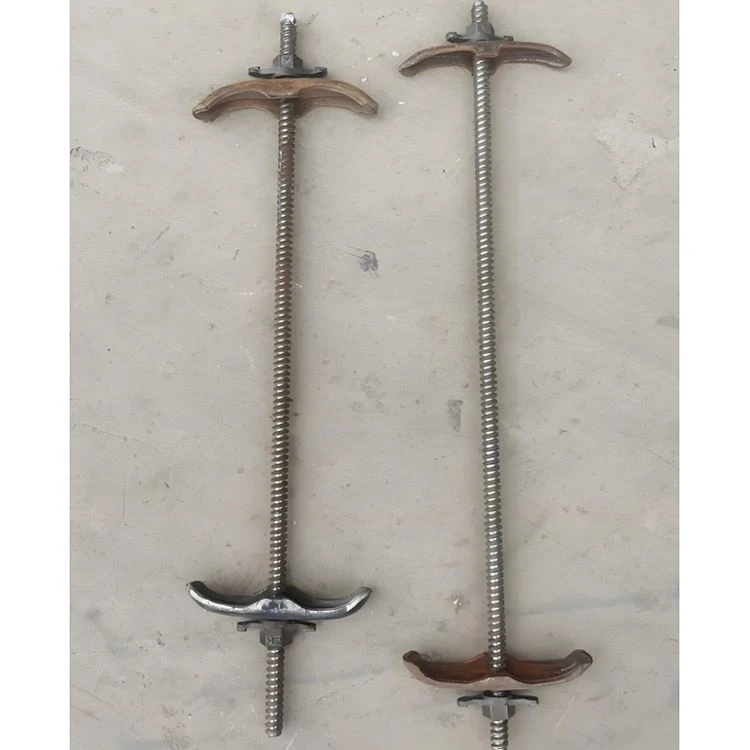
- Formwork Wall-Through Bolt – Secures panel alignment; cleaning around bolt pockets prior to tensioning.
- Formwork Lifting Ring – Facilitates crane handling; debris removal from lifting points prevents jamming.
- Formwork Prop – Provides vertical support; cleaning prop bases and threads extends serviceable life.
Coordinated use of these accessories with routine dust removal enhances both safety and formwork reusability.
5. Selection Criteria for Industrial Buyers
When procuring formwork dust shovels for industrial use, consider:
- Blade material – Polyurethane for non-marring applications; steel for heavy aggregate.
- Handle length – Standard (for close-quarters) versus extended (for floor sweeping).
- Edge profile – Straight edge for flat surfaces; serrated edge for compacted materials.
- Weight – Lightweight for overhead or vertical cleaning; heavy-duty for ground-level bulk removal.
6.Conclusion
The formwork dust shovel is not limited to concrete construction-it is a practical, durable, and economical cleaning solution for diverse industrial environments. When selected according to material type and usage frequency, it enhances workplace cleanliness, supports safety programs, and complements existing formwork accessory inventories. For high-volume industrial users, maintaining a fleet of these shovels in varying sizes ensures rapid response to daily housekeeping demands.
7.FAQ – Formwork Dust Shovel in Industrial Use
Q1: Can a formwork dust shovel handle wet or oily debris in industrial settings?
A: Standard models are designed for dry, free-flowing materials. For wet concrete residue or oily sludge, choose shovels with corrosion-resistant metal blades and non-absorbent handles. Always clean the tool immediately after contact with wet substances to prevent material buildup.
Q2: What blade material is recommended for abrasive industrial dust (e.g., silica, metal filings)?
A: Hardened steel or wear-resistant alloy blades are recommended for highly abrasive dust. Polyurethane blades are suitable for lighter, non-scratching applications but will wear faster under sharp particulate loads.
Q3: Are formwork dust shovels compliant with OSHA housekeeping requirements?
A: Yes, when used as part of a documented cleaning schedule. OSHA general duty clause and specific industry standards (e.g., 29 CFR 1910.22 for walking surfaces) require prompt debris removal-hand tools like dust shovels are recognized compliance measures.
Q4: How should a formwork dust shovel be maintained for industrial longevity?
A: After each use, remove adhered material, inspect blade edges for cracks or dulling, and store in a dry area. For metal blades, apply a light rust-preventive oil periodically. Replace the tool when blade deformation exceeds 5% of original contour.
Q5: Can the same shovel be used for formwork cleaning and general floor sweeping?
A: Yes, but cross-contamination (e.g., oil to formwork surfaces) should be avoided. Dedicated color-coded shovels for different zones are recommended in food-processing or pharmaceutical-adjacent industries.
References
- General knowledge of industrial cleaning and formwork tools.
- Experience in supplying formwork products to various industrial clients.