

As a supplier of Formwork Tie Plates, I often get asked about the quality control measures we have in place. In the construction industry, the reliability and safety of formwork components are of utmost importance. Formwork Tie Plates play a crucial role in holding formwork structures together, and ensuring their quality is not just a matter of compliance but also a commitment to the safety and success of construction projects.
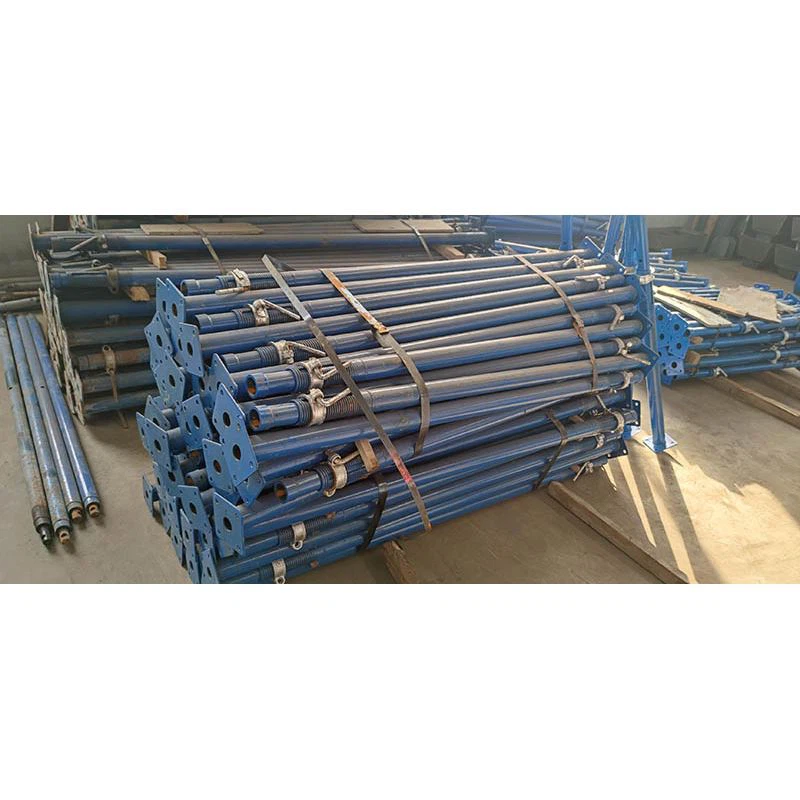

Quality Control from the Raw Material Stage
The quality of Formwork Tie Plates starts with the raw materials. We source our steel from reputable suppliers who have a proven track record of providing high - quality materials. The steel must meet specific standards in terms of its chemical composition and mechanical properties. For example, it should have the right balance of carbon, manganese, and other elements to ensure sufficient strength and ductility.
We conduct regular inspections of the incoming raw materials. This includes checking the material certificates provided by the suppliers, which detail the chemical composition and mechanical properties of the steel. In addition, we perform our own in - house tests, such as tensile strength tests and hardness tests. Tensile strength tests are carried out using specialized equipment to determine the maximum amount of stress the steel can withstand before breaking. Hardness tests, on the other hand, give us an indication of the steel's resistance to deformation.
Manufacturing Process Control
The manufacturing process of Formwork Tie Plates is another critical area where quality control is implemented. Our production facilities are equipped with state - of - the - art machinery and are operated by skilled technicians. Each step of the manufacturing process is carefully monitored to ensure consistency and quality.
First, the raw steel is cut into the appropriate sizes. Precision cutting is essential to ensure that the tie plates have the correct dimensions. We use computer - controlled cutting machines that can achieve high levels of accuracy. After cutting, the plates are formed into the desired shape. This may involve processes such as bending and stamping. During these processes, we use jigs and fixtures to ensure that the plates are formed correctly and that there are no defects such as cracks or uneven surfaces.
Welding is another important part of the manufacturing process. If the Formwork Tie Plates require welding, we use qualified welders who follow strict welding procedures. Weld quality is inspected using non - destructive testing methods such as ultrasonic testing and magnetic particle testing. These methods can detect internal and surface defects in the welds, ensuring that they are strong and reliable.
In - Process Inspections
Throughout the manufacturing process, we conduct in - process inspections. These inspections are carried out at regular intervals to catch any potential quality issues early. For example, we may inspect the dimensions of the tie plates at different stages of production to ensure that they are within the specified tolerances. If any deviations are found, corrective actions are taken immediately.
We also have a quality control team that is responsible for conducting random inspections of the production line. They use a variety of inspection tools, such as calipers, micrometers, and gauges, to measure the dimensions and check the surface finish of the tie plates. In addition, they visually inspect the plates for any signs of damage, such as scratches, dents, or rust.
Final Product Inspection
Once the Formwork Tie Plates are manufactured, they undergo a final inspection. This inspection is more comprehensive and includes a detailed check of all the critical parameters. We check the dimensions, surface finish, and mechanical properties of the tie plates.
The dimensions of the tie plates are measured using precision measuring instruments to ensure that they meet the design specifications. The surface finish is inspected to ensure that it is smooth and free of any defects. We also perform additional mechanical tests, such as fatigue tests, to ensure that the tie plates can withstand repeated loading over time.
Certification and Compliance
To further demonstrate the quality of our Formwork Tie Plates, we ensure that they are certified to meet relevant industry standards. For example, our products may be certified to ISO 9001 quality management standards, which demonstrate our commitment to quality control and continuous improvement.
In addition, our tie plates comply with national and international building codes and regulations. This ensures that our products can be used safely in construction projects around the world. We keep up - to - date with the latest changes in these codes and regulations to ensure that our products remain compliant.
Comparison with Related Products
When considering the quality of Formwork Tie Plates, it's also important to look at how they compare with related products in the market. For example, Formwork Expansion Bolt and Formwork Prop are also important formwork components. While each product has its own unique functions, our Formwork Tie Plates are designed to work in harmony with these other components to provide a reliable formwork system.
Similarly, K Plate Bolt and Nuts are often used in conjunction with Formwork Tie Plates. Our quality control measures ensure that our tie plates are compatible with these bolts and nuts, providing a secure and stable connection.
Conclusion
In conclusion, as a supplier of Formwork Tie Plates, we take quality control very seriously. From the selection of raw materials to the final inspection of the finished products, we have a comprehensive quality control system in place. Our commitment to quality ensures that our Formwork Tie Plates are reliable, safe, and meet the highest industry standards.
If you are in the market for high - quality Formwork Tie Plates, we invite you to contact us for more information and to discuss your specific requirements. Our team of experts is ready to assist you in finding the right solution for your construction projects.
References
- ASTM International. (Year). Standard Specifications for Steel Products.
- ISO. (Year). ISO 9001: Quality Management Systems - Requirements.
- National Building Codes of [Country]. (Year). Building Regulations for Formwork Components.