

Hey there! As a supplier of Wall Formwork Strippers, I often get asked about the vibration level of these power - operated machines. So, I thought I'd take some time to break it down for you all.
First off, let's understand why the vibration level of a power - operated Wall Formwork Stripper matters. When it comes to stripping formwork, a certain level of vibration is necessary to effectively separate the formwork from the concrete structure. But too much vibration can lead to a bunch of problems. It can cause damage to the formwork itself, reducing its lifespan and increasing your replacement costs. Moreover, excessive vibration can also have a negative impact on the concrete surface, potentially causing cracks or uneven finishes.
Now, the vibration level of a Wall Formwork Stripper is measured in terms of amplitude and frequency. Amplitude refers to the maximum displacement of the vibrating part from its equilibrium position. In simpler terms, it's how far the stripper moves back and forth during vibration. Frequency, on the other hand, is the number of vibrations per unit of time, usually measured in hertz (Hz).
For a power - operated Wall Formwork Stripper, an ideal vibration level strikes a balance. We want enough amplitude to break the bond between the formwork and the concrete, but not so much that it causes harm. A common amplitude range for these strippers is around 1 - 3 millimeters. This range allows for effective separation without causing excessive stress on the formwork or the concrete.
In terms of frequency, most power - operated Wall Formwork Strippers operate at frequencies between 30 - 60 Hz. This frequency range is high enough to generate the necessary energy for stripping but low enough to be manageable and not cause excessive wear and tear on the machine.
But how do we ensure that our Wall Formwork Strippers maintain this ideal vibration level? Well, it all starts with the design and manufacturing process. At our company, we use high - quality materials and advanced engineering techniques to build strippers that can deliver consistent and reliable vibration levels. We also conduct rigorous testing on each machine before it leaves our factory. This includes measuring the amplitude and frequency using specialized equipment to make sure they fall within the optimal range.
Another factor that affects the vibration level is the type of power source. Most of our power - operated Wall Formwork Strippers are electric - powered. Electric motors offer several advantages when it comes to vibration control. They can provide a steady and consistent power supply, which helps in maintaining a stable vibration level. Compared to gasoline - powered or pneumatic strippers, electric strippers are often more precise in terms of vibration output.
Now, let's talk about the impact of the vibration level on the operator. Excessive vibration can cause discomfort and even long - term health problems for the person using the stripper. That's why we've designed our Wall Formwork Strippers with ergonomics in mind. We've added features like vibration - dampening handles to reduce the amount of vibration transferred to the operator's hands. This not only makes the stripping process more comfortable but also helps in preventing conditions like hand - arm vibration syndrome.
When it comes to accessories, we also offer a range of products that can work in tandem with our Wall Formwork Strippers. For example, the Hook Square Pipe Connection Waler Clamp is a great addition. It helps in securing the formwork during the stripping process, which can indirectly affect the vibration level. A well - secured formwork allows the stripper to work more efficiently, reducing the need for excessive vibration.
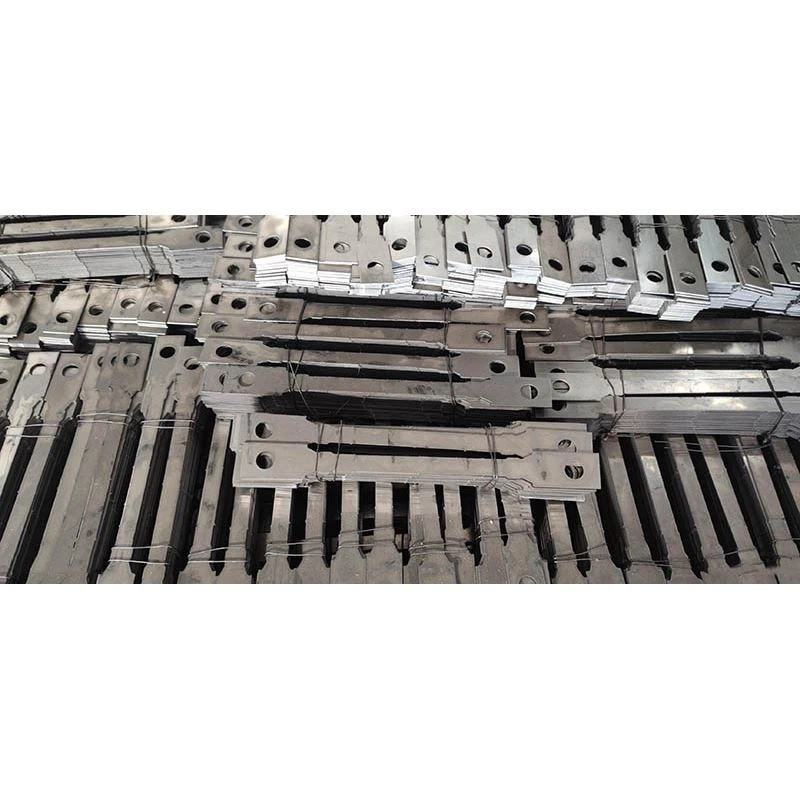
The Formworktie Plate is another important accessory. It helps in maintaining the integrity of the formwork structure. By ensuring that the formwork is properly supported, it can help in optimizing the vibration level of the stripper.
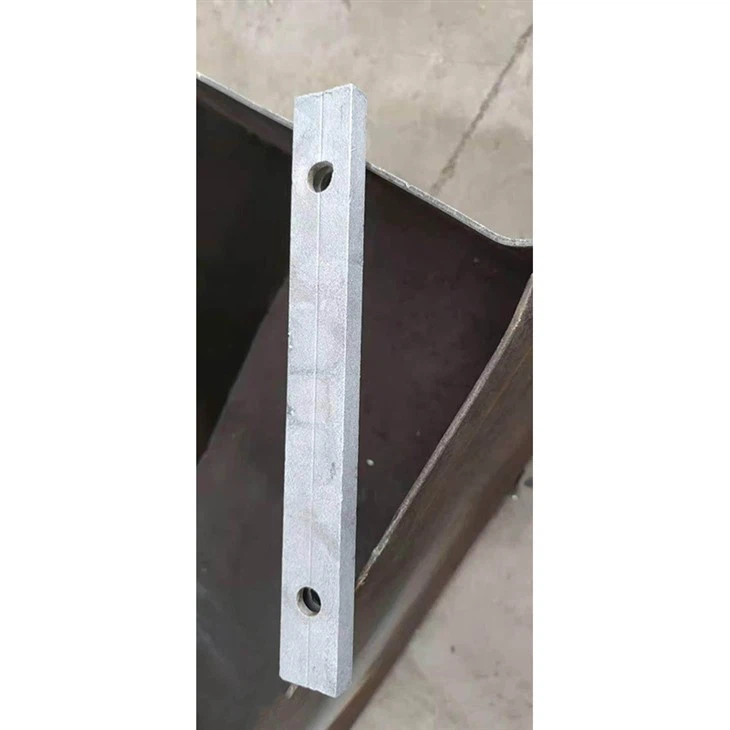
And then there's the Joint Aluminum Bar. This accessory can be used to connect different sections of the formwork. A strong and stable connection between formwork sections can lead to better vibration transfer and more effective stripping.
If you're in the market for a power - operated Wall Formwork Stripper, it's crucial to consider the vibration level. You don't want to end up with a machine that's either too weak to do the job or too powerful and causes more problems than it solves. Our Wall Formwork Strippers are designed to offer the perfect balance, ensuring efficient stripping while minimizing damage to the formwork and the concrete.
We understand that every construction project is unique, and you may have specific requirements when it comes to the vibration level of the stripper. That's why we're always here to help. Our team of experts can work with you to understand your needs and recommend the best solution for your project.
Whether you're a small - scale contractor working on a residential project or a large - scale construction company handling a commercial building, our Wall Formwork Strippers can meet your needs. We offer a range of models with different power ratings and vibration levels to suit various applications.
So, if you're interested in learning more about our Wall Formwork Strippers or have any questions about the vibration level, don't hesitate to reach out. We're more than happy to have a chat and discuss how our products can benefit your construction projects. Let's work together to make your formwork stripping process more efficient and cost - effective.
References
- Construction Equipment Handbook: This handbook provides in - depth information on the operation and performance of various construction equipment, including Wall Formwork Strippers.
- Journal of Construction Engineering and Management: Articles in this journal often cover research on the latest technologies and best practices in construction, which includes the study of vibration levels in power - operated tools.