

Ensuring the tightness of the connection between bridge steel formwork panels is crucial for the success of any bridge construction project. As a leading bridge steel formwork supplier, we understand the significance of this aspect and have accumulated extensive experience in this field. In this blog, we will share some effective methods and considerations to ensure the tightness of the connection between bridge steel formwork panels.
Understanding the Importance of Tight Connections
Before delving into the methods, it is essential to understand why tight connections between bridge steel formwork panels are so important. Firstly, a tight connection prevents concrete leakage during the pouring process. Concrete leakage not only wastes materials but also affects the quality and appearance of the bridge structure. Secondly, a tight connection ensures the stability and integrity of the formwork system. It can withstand the pressure exerted by the fresh concrete, preventing deformation or collapse of the formwork. Finally, a well - connected formwork system contributes to the accuracy of the bridge's dimensions and shape, which is vital for the overall functionality and safety of the bridge.
Selecting High - Quality Formwork Panels
The quality of the formwork panels themselves is the foundation for ensuring tight connections. At our company, we use high - strength steel materials to manufacture our bridge steel formwork panels. These materials have excellent durability and corrosion resistance, which can withstand the harsh environment of bridge construction. Moreover, we adopt advanced manufacturing processes to ensure the precision of the panel dimensions. Precise dimensions are crucial for a tight fit between panels. For example, we use computer - controlled cutting and welding techniques to ensure that the panels have accurate edges and angles.
Proper Surface Treatment
The surface condition of the formwork panels also affects the tightness of the connection. Before installation, the panels should be properly cleaned to remove any dirt, rust, or grease. A clean surface allows for better contact between the panels and the sealing materials. We recommend using a high - quality rust - preventive paint on the surface of the formwork panels. This not only protects the panels from corrosion but also provides a smooth surface for a better seal.
Using Appropriate Sealing Materials
Sealing materials play a key role in ensuring the tightness of the connection between bridge steel formwork panels. There are several types of sealing materials available, such as rubber gaskets, silicone sealants, and foam tapes.
- Rubber Gaskets: Rubber gaskets are a popular choice due to their excellent elasticity and sealing performance. They can effectively fill the gaps between the formwork panels and prevent concrete leakage. When selecting rubber gaskets, it is important to choose the right size and hardness according to the specific requirements of the project. For example, in areas with high pressure, a harder rubber gasket may be more suitable.
- Silicone Sealants: Silicone sealants are known for their high adhesion and weather resistance. They can be applied to the joints between the formwork panels to create a waterproof and airtight seal. Silicone sealants are particularly useful in areas where there is a need for a flexible seal, such as around corners or irregularly shaped panels.
- Foam Tapes: Foam tapes are easy to install and can provide a good seal for small gaps. They are often used in combination with other sealing materials to enhance the overall sealing effect.
Correct Installation Techniques
Proper installation techniques are essential for ensuring the tightness of the connection between bridge steel formwork panels.
- Alignment: Before connecting the panels, it is crucial to ensure that they are properly aligned. Misaligned panels can lead to gaps and uneven stress distribution, which may result in concrete leakage and formwork deformation. We recommend using alignment tools, such as laser levels or alignment pins, to ensure accurate alignment.
- Fastening: Using the right fastening methods is also important. We usually use bolts, nuts, and washers to connect the formwork panels. The bolts should be tightened to the appropriate torque to ensure a secure connection. Over - tightening or under - tightening the bolts can both cause problems. Over - tightening may damage the panels, while under - tightening may result in loose connections.
- Sequence of Installation: The sequence of installing the formwork panels can also affect the tightness of the connection. It is recommended to start from one end and work towards the other, ensuring that each panel is properly connected before moving on to the next one. This helps to maintain the overall stability and tightness of the formwork system.
Regular Inspection and Maintenance
Even after the formwork is installed, regular inspection and maintenance are necessary to ensure the long - term tightness of the connection. During the concrete pouring process, it is important to monitor the formwork for any signs of leakage or deformation. If any problems are found, they should be addressed immediately. After the concrete has set and the formwork is removed, the panels should be inspected for damage and cleaned for future use. Any damaged panels should be repaired or replaced in a timely manner.

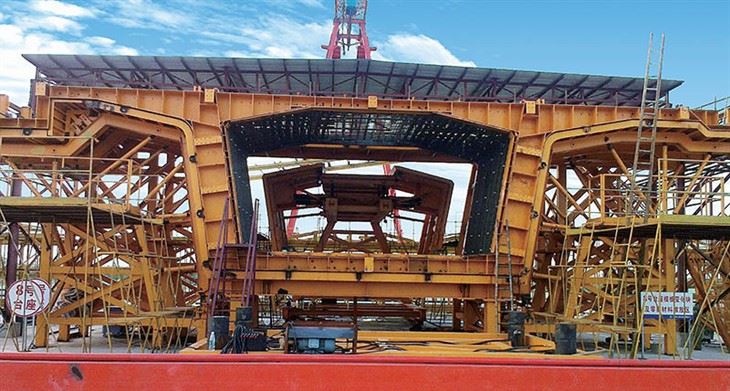
Applications of Different Types of Bridge Steel Formwork
In addition to ensuring the tightness of the connection, it is also important to choose the right type of bridge steel formwork for different parts of the bridge. For example, Capping Beam Formwork is specifically designed for the construction of capping beams. It needs to have a tight connection to ensure the accurate shape and size of the capping beam. Abutment Formwork is used for the construction of abutments, and its tight connection is crucial for the stability of the bridge abutment. Guardrail Formwork is used to form the guardrails of the bridge, and a tight connection can ensure the safety and aesthetics of the guardrails.
Conclusion
Ensuring the tightness of the connection between bridge steel formwork panels is a complex but essential task in bridge construction. By selecting high - quality formwork panels, using appropriate sealing materials, adopting correct installation techniques, and conducting regular inspection and maintenance, we can effectively ensure the tightness of the connection and the quality of the bridge construction.
If you are in need of high - quality bridge steel formwork and professional advice on ensuring the tightness of the connection, please feel free to contact us. We are committed to providing you with the best products and services to meet your project requirements.
References
- "Bridge Construction Engineering Handbook", edited by John Smith, published by ABC Publishing, 2020.
- "Steel Formwork Design and Application", written by Tom Brown, published by XYZ Press, 2019.